Social Media Abuse: Understanding Your Rights and Taking Legal Action
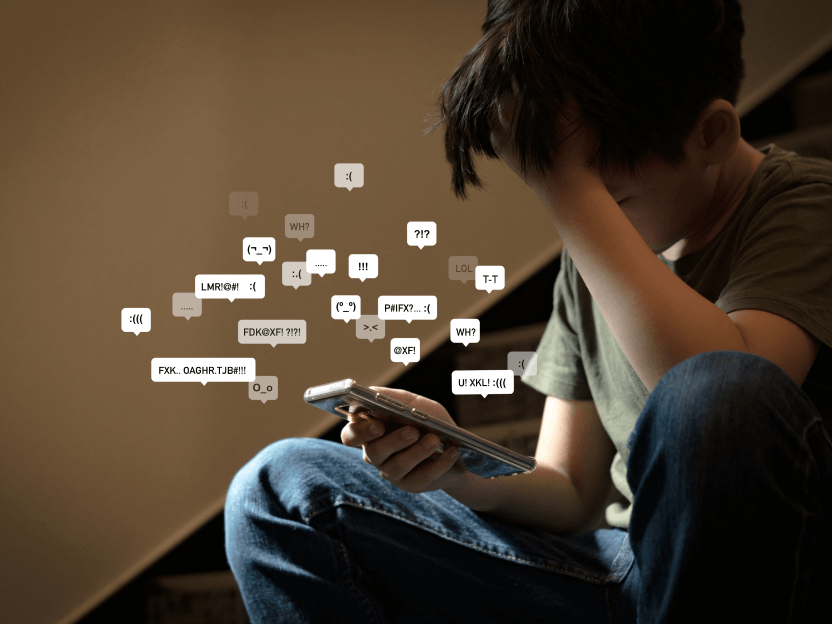
In an increasingly digital world, social media platforms have become central to communication, connection, and information sharing. However, with their widespread use comes the unfortunate reality of social media abuse, which can manifest as cyberbullying, defamation, harassment, privacy violations, and other harmful online behaviors. The emotional, reputational, and even financial damage caused by social media abuse can be severe. If you've been a victim, it's crucial to know that legal avenues exist to protect your rights and seek redress.
Defining Social Media Abuse:
Social media abuse encompasses a range of harmful activities conducted through digital platforms.
These often include:
- Cyberbullying: Repeated and intentional harassment or intimidation using electronic communication.
- Defamation: False statements published or spoken online that harm a person's reputation (libel or slander).
- Harassment: Persistent unwanted contact, threats, or aggressive behavior.
- Revenge Porn: The non-consensual sharing of intimate images or videos.
- Impersonation: Falsely representing oneself as another person online.
- Privacy Violations: Sharing private information without consent.
- Stalking: Repeated patterns of unwanted attention that cause fear or distress.
Your Legal Recourse for Online Harms:
Depending on the nature and severity of the abuse, victims of social media abuse may have grounds
for several types of legal claims:
- Defamation Lawsuits: If false statements made online have damaged your reputation.
- Invasion of Privacy Claims: When private information is shared without your consent, especially intimate images or sensitive personal data.
- Intentional Infliction of Emotional Distress (IIED): For extreme and outrageous conduct that causes severe emotional harm.
- Harassment Claims: In cases of persistent and targeted online harassment that creates a hostile environment.
- Restraining Orders: To prevent further contact and harassment.
- Criminal Charges: In severe cases involving threats, stalking, or child exploitation, law enforcement may pursue criminal charges.
Building a Strong Case:
Successfully pursuing a social media abuse claim often relies on thorough documentation. Key
evidence includes:
- Screenshots or recordings of the abusive content.
- Dates and times of the abuse.
- URLs or links to the offending posts/profiles.
- Identification of the perpetrator, if possible.
- Records of any official reports made to the platform or law enforcement.
- Documentation of emotional distress (e.g., therapy records) or financial harm.
Seeking Compensation for Damages:
Victims of social media abuse may be able to recover various types of damages, including:
- Compensation for emotional distress and mental anguish.
- Damages for reputational harm and lost income due to defamation.
- Costs associated with therapy or counseling.
- Punitive damages in cases of particularly malicious conduct.
Taking the Next Step:
If you are experiencing social media abuse, it is vital to take immediate steps to protect yourself
and preserve evidence. Then, contact an attorney experienced in cyberlaw and personal injury. Our
legal team can assess your unique situation, advise you on your legal options, and help you navigate
the complexities of online litigation to seek the justice and relief you deserve.