
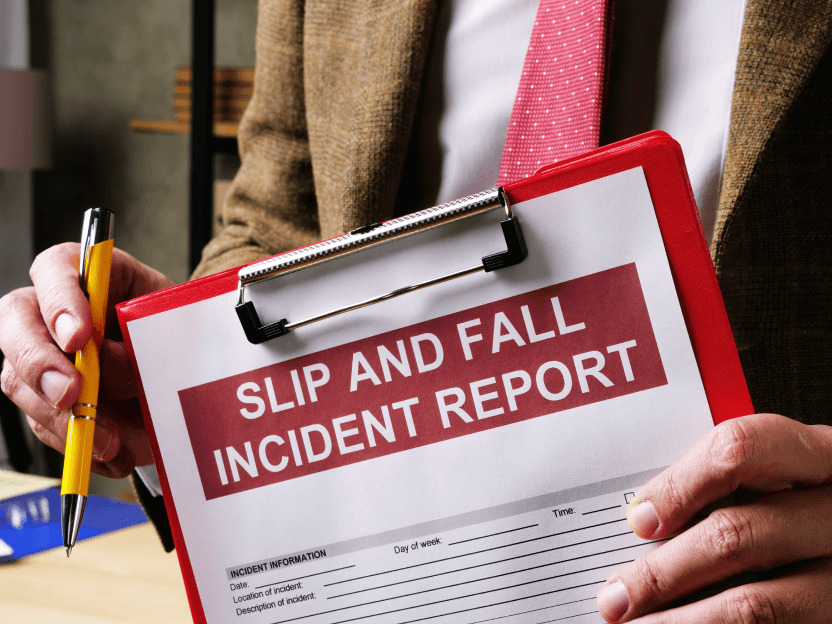
Slip and Fall Accidents: Understanding Premises Liability and Your Right to Compensation
Slip and fall accidents are far more common than many realize, and they can result in severe injuries, from sprains and fractures to debilitating head and spinal trauma. While seemingly minor, these incidents often stem from negligence on someone else's property, making them a significant area of personal injury law known as premises liability. If you've been injured in a slip, trip, or fall due to hazardous conditions on another's property, understanding your legal rights is crucial to seeking the compensation you deserve.
What Constitutes a Slip and Fall Accident?
A "slip and fall" accident refers to an incident where a person slips, trips, or falls on someone
else's property and suffers an injury. These can occur virtually anywhere: grocery stores,
restaurants, private homes, workplaces, or public sidewalks. The key to a successful claim lies in
proving that the property owner or manager was negligent in maintaining a safe environment.
Common Causes of Slip and Fall Accidents:
Negligence leading to slip and fall accidents can take many forms, including:
- Wet or slippery floors (spills, freshly mopped surfaces without warning signs).
- Uneven flooring, loose tiles, or broken pavement.
- Cluttered aisles, walkways, or stairwells.
- Poor lighting in stairwells or dark corridors.
- Damaged or missing handrails.
- Ice and snow accumulation on sidewalks or parking lots.
- Loose rugs or worn-out carpeting.
Understanding Premises Liability: The Owner's Duty of Care:
Under premises liability law, property owners and managers have a legal responsibility to keep their
premises reasonably safe for visitors. The extent of this duty depends on the visitor's status
(e.g., invitee, licensee). Generally, owners must:
- Regularly inspect the property for hazards.
- Address known hazards in a timely manner.
- Warn visitors about any dangerous conditions that cannot be immediately fixed.
Proving Negligence in Your Slip and Fall Case:
To win a slip and fall claim, you typically need to demonstrate that:
- The property owner or their agent had a duty to ensure the property was safe.
- A dangerous condition existed on the property.
- The property owner knew or should have known about the dangerous condition.
- The property owner failed to repair the condition or provide adequate warning.
- This failure directly caused your injury.
Common Injuries from Slip and Fall Accidents:
The impact of a fall can lead to a wide range of injuries, some of which may have long-term
consequences:
- Bone fractures (wrist, ankle, hip, arm).
- Head injuries, including concussions and traumatic brain injuries (TBIs).
- Sprains and strains (ankles, knees, wrists).
- Back and spinal cord injuries.
- Soft tissue damage.
Seeking Compensation for Your Damages:
If your slip and fall accident was caused by another's negligence, you may be entitled to
compensation for various damages, including:
- Medical bills (emergency care, surgeries, physical therapy, medication).
- Lost wages and loss of future earning capacity.
- Pain and suffering.
- Emotional distress.
- Loss of enjoyment of life.
What to Do After a Slip and Fall:
- Seek immediate medical attention, even if injuries seem minor.
- If possible, take photos of the hazard, the surrounding area, and your injuries.
- Report the incident to the property owner/manager and obtain a copy of the report.
- Get contact information from any witnesses.
- Do not give recorded statements to insurance companies without legal counsel.
- Contact an experienced personal injury attorney.
Contact Us for a Free Consultation:
Navigating a slip and fall claim can be complex, and property owners and their insurance companies
often work to minimize payouts. Our dedicated legal team has extensive experience in premises
liability cases and can help you gather evidence, build a strong claim, and fight for the full
compensation you deserve. Contact us today for a free, no-obligation consultation to discuss your
specific situation.