
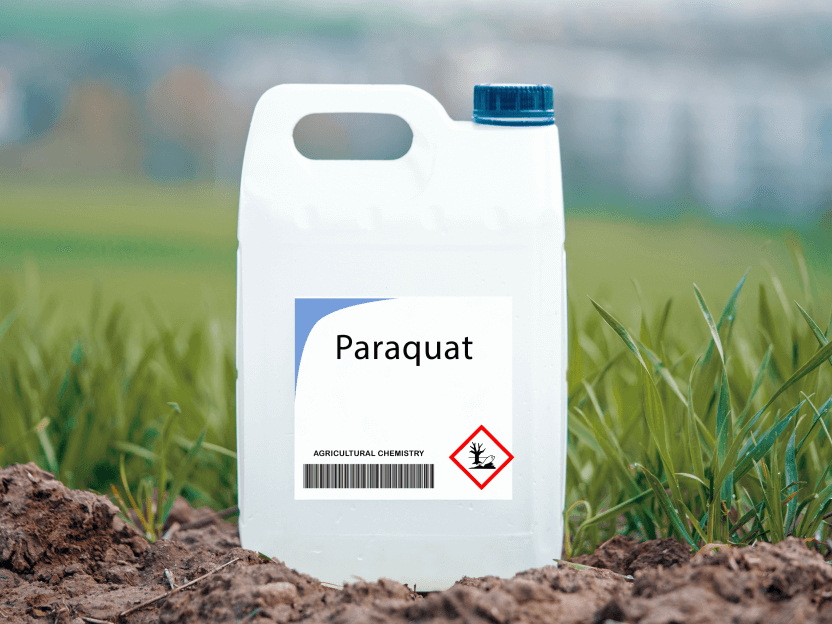
Paraquat Exposure: Legal Options for Parkinson's Disease Victims
Paraquat is a highly toxic herbicide used primarily in agricultural settings to control weeds and desiccate crops. While effective, its use is heavily restricted due to its acute toxicity. More recently, growing scientific and medical evidence has established a disturbing link between long-term exposure to Paraquat and an increased risk of developing Parkinson's disease, a progressive neurodegenerative disorder. If you or a loved one has been diagnosed with Parkinson's after exposure to Paraquat, you may have grounds for a significant legal claim.
What is Paraquat and Why is it Dangerous?
Paraquat dichloride is a quaternary ammonium herbicide that acts quickly to kill green plant tissue
upon contact. Its potent and fast-acting nature makes it popular in agriculture, but it is also
extremely hazardous to humans. In the United States, Paraquat is a "Restricted Use Pesticide,"
meaning it can only be purchased and used by licensed applicators. Despite these restrictions,
exposure can still occur, leading to devastating health consequences.
The Alarming Link to Parkinson's Disease:
Numerous studies over the past two decades have indicated a strong correlation between Paraquat
exposure and the development of Parkinson's disease. Researchers believe Paraquat generates
oxidative stress and cellular damage in the brain, specifically targeting dopaminergic neurons – the
very cells that die off in Parkinson's patients. Key studies include:
- The Parkinson's Disease Environment and Gene (PAGE) Study: Found that exposure to Paraquat increased the risk of Parkinson's by 2.5 times.
- The Agricultural Health Study (AHS): Linked Paraquat exposure to an elevated risk of Parkinson's disease.
How Paraquat Exposure Occurs:
Exposure to Paraquat primarily affects those who work directly with the herbicide or live near areas
where it is applied. Common exposure routes include:
- Occupational Exposure: Farmers, agricultural workers, herbicide applicators, and others working in agricultural fields.
- Environmental Exposure: Inhalation of Paraquat drift from nearby fields, or consumption of contaminated well water by those living in rural areas.
Symptoms of Parkinson's Disease Associated with Exposure:
Parkinson's disease is a progressive neurological disorder that affects movement. Symptoms often
begin subtly and worsen over time:
- Tremor (shaking, often in a limb, hand or fingers).
- Bradykinesia (slowed movement).
- Rigid limbs and impaired posture and balance.
- Speech changes (soft, quick, monotonous).
- Writing changes (smaller handwriting).
Why File a Paraquat Lawsuit?
Lawsuits against the manufacturers of Paraquat (such as Syngenta and Chevron, who distributed
Paraquat in the U.S.) allege:
- Failure to Warn: Manufacturers knew or should have known about the link between Paraquat and Parkinson's disease but failed to adequately warn users and the public.
- Defective Design: The product was unreasonably dangerous.
- Negligence: Companies prioritized profits over safety by continuing to sell a hazardous product without proper warnings.
- Fraudulent Concealment: Allegations that companies actively concealed information about Paraquat's neurotoxic effects.
Who May Be Eligible for a Paraquat Lawsuit?
You may be eligible to file a Paraquat lawsuit if you:
- Have a documented history of Paraquat exposure (e.g., worked with it, lived near agricultural areas where it was sprayed).
- Have been diagnosed with Parkinson's disease.
What Compensation Can Be Recovered?
Victims and their families in successful Paraquat lawsuits can recover significant compensation for
damages, including:
- Medical expenses (for diagnosis, treatment, medication, physical therapy, and long-term care for Parkinson's disease).
- Lost wages and diminished earning capacity.
- Pain and suffering.
- Loss of enjoyment of life.
- Emotional distress.
- Wrongful death damages for families who have lost a loved one due to Paraquat-related Parkinson's.
Taking the Next Step:
The legal landscape surrounding Paraquat is rapidly evolving. If you or a family member has been
diagnosed with Parkinson's disease after exposure to Paraquat, it is crucial to speak with a
specialized attorney as soon as possible. Our legal team is experienced in toxic tort and complex
personal injury litigation. We can help you gather the necessary evidence, understand the statute of
limitations, and fight for the justice and compensation you deserve. Contact us today for a free,
confidential consultation.